Enrollment-2025/26 academic year Hungarian-language weekend school and kindergarten in Brussels
Bobita
Hungarian-language weekend school and kindergarten in Brussels

Hungarian-language weekend school and kindergarten in Brussels
Our school was founded 18 years ago by Dr. Ágnes Szabó, who wanted to create a mother tongue community for her own children and the children of several Hungarian families living here, where acquaintances and friendships can be made while studying. Where we can cultivate the Hungarian language with good humor and joy and expand our children's knowledge and awareness of Hungary and the Hungarian language. Where our children learn to read and write in Hungarian and can participate in exciting Hungarian language excursions, museum visits, and obstacle courses, and use their acquired knowledge.
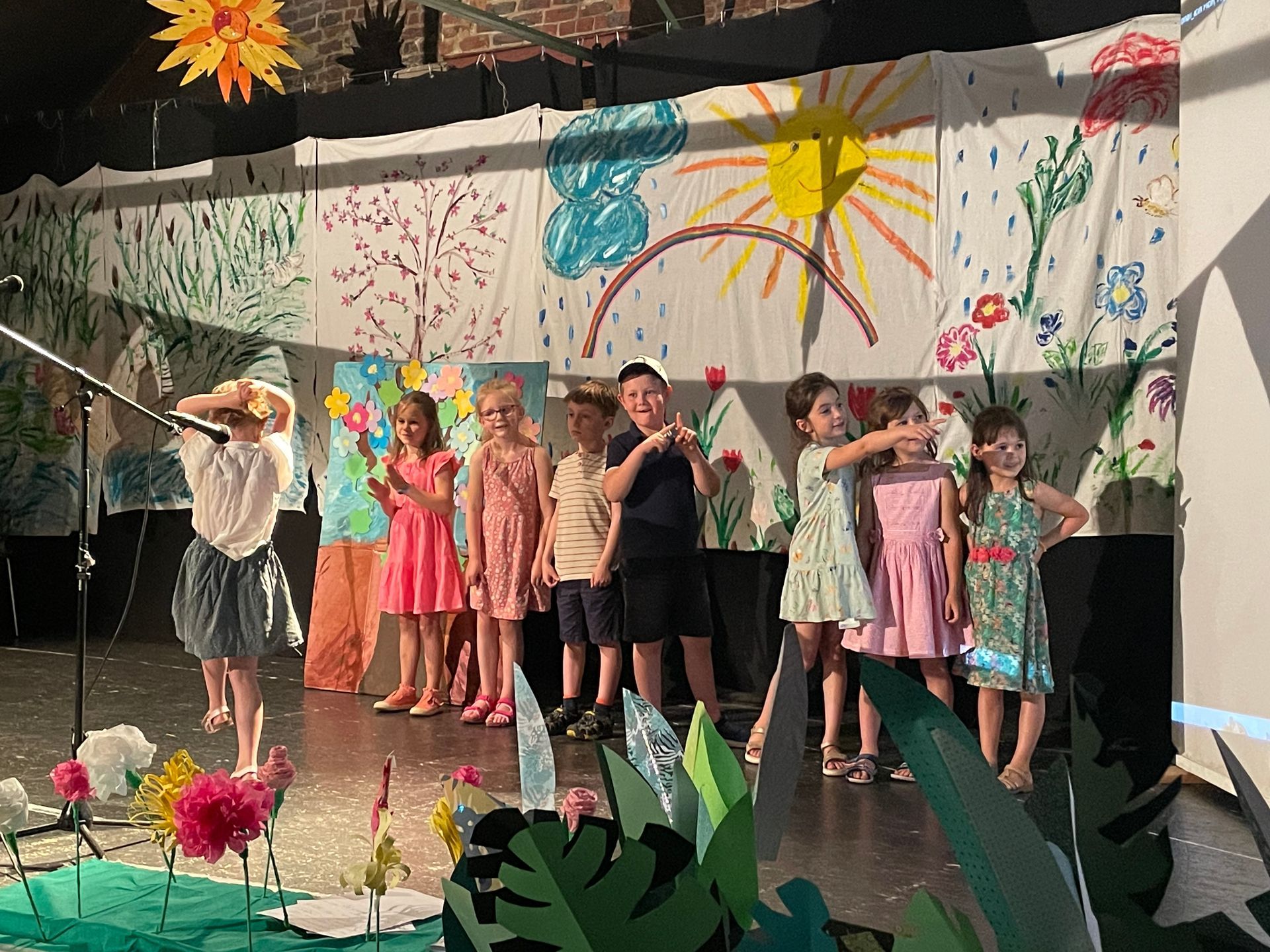
For 19 years now, we have been playing, learning, changing and developing together with many Hungarian children living in Belgium. We do all this playfully, informally, differently than in a traditional school. Using our experience, seeing the needs of families and children, we are constantly expanding and shaping our activities. Every year, we offer something new to our children attending our foundation school.
Our enthusiastic group of teachers is the guarantee of our quality work, as they are in similar shoes, their children also participate in our classes. Not only as teachers, but also as parents, they see, monitor and experience our achievements.
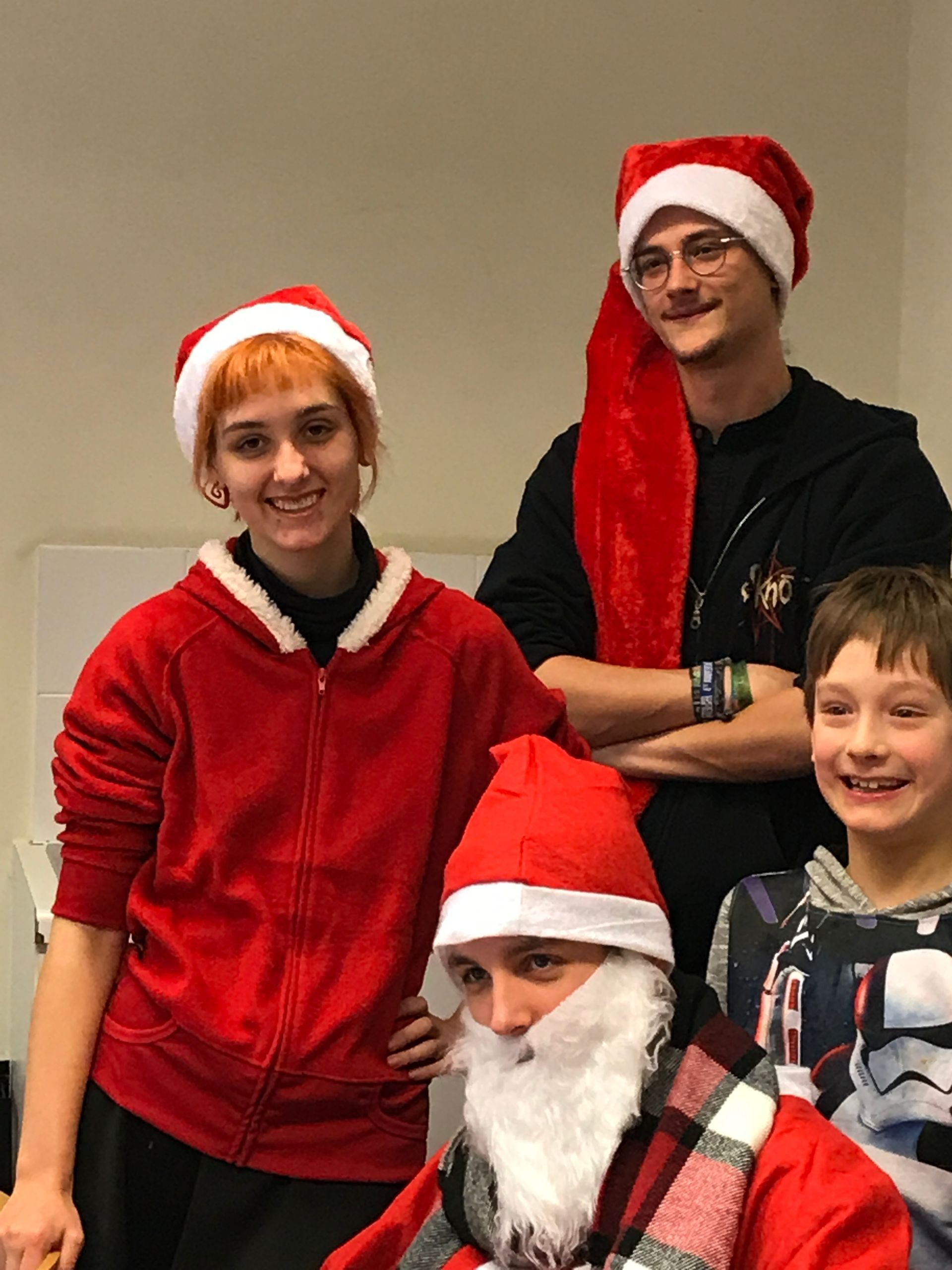
Here you can not only learn, but also gain common experiences and grow into a group of very enthusiastic and diverse children from very diverse cultural backgrounds, which helps foster Hungarian identity and provides contemporary, community-based language use for all ages.
We look forward to welcoming all interested parties!
Start of the school year
Bóbita's Hungarian language classes for children aged 3-18 will continue from September 13, 2025.
In addition to our usual Saturday Hungarian language classes for kindergarten and school children, we will once again have a history class this school year and we will continue the online classes introduced in previous school years and which are very popular with the children.
Location of our classes:
Op Weule Cultural Center
91. Rue Saint Lambert
1200 Woluve Saint Lambert
MORE INFORMATION - REGISTRATION BY E-MAIL: BOBITA@LIVE.BE
Dates for the 2025-2026 school year:
First semester:
2025
September 13-20-27
October 4-11-18-25
November 22-29
December 6-13
2026
January 10-17-24-31
Second semester:
February 7-28
March 7-14-21-28
April 25
May 2-9-23-30
June 6-13-20-27
Location of our classes:
Op Weule Cultural Center
91. Rue Saint Lambert
1200 Woluve Saint Lambert
Our permanent programs
Preschool classes for children from 3 to 5 years old
The aim of the Bóbita Hungarian language kindergarten classes is to introduce the Hungarian literary language and develop vocabulary in kindergarten groups. Our main goal is for the children to feel good, relax, and expand their vocabulary. We play, paint, draw with them, learn rhymes and circle games, listen to and process fairy tales together.
Preschool program for ages 5 to 7
In the preparatory year, we consider it important to create a transition between the playfulness of kindergarten and the more formal form of school education. Of course, we are already learning to syllabify and break words into sounds. We learn the printed form of letters and, based on this, how to pronounce them. We help with tongue twisters and playful tasks to master Hungarian pronunciation. The development of verbal expressiveness and vocabulary also plays an important role, which we also help with through dramatic games.
Playing with fairy tales
Storytelling activity for preschoolers and kindergarteners. Children create stories together using word cubes, then process and dramatize them with cartoons, self-made puppets, or costumes. An interesting, twisty game that is a successful way to develop verbal expression and communication skills.
Drama pedagogy
Through drama, situational games, and group dynamic tasks, it helps us get to know each other, ourselves, and how to jointly process the challenges posed by society and the surrounding world. And all this together, cooperating with each other.
Developmental pedagogy
Small group sessions for developing skills, abilities and language. A methodical, developmental pedagogical session organized in harmony with the other sessions. This session is a great pleasure for us and fills a huge gap, as the development of various partial ability disorders is the most successful and important at this age.
Cooking club
Once a month we cook and bake together with the children in the equipped kitchen of the cultural center. Each time we prepare a cooked dish or a dessert. We would like to introduce the children to Hungarian dishes and holiday specialties as much as we can. Of course, we eat what we cook, and what is left over can be tasted by the parents, or it is beautifully wrapped and sent to the family table as a gift.
Not only do we cook together, but the children also receive the recipes so they can cook/bake them at home with their parents.
Film club for ages 12 and up
Contentful and demanding youth films and animated films in Hungarian. Loosely structured lesson, with discussion, interesting facts, messages, and analysis of aesthetic characteristics.
First class
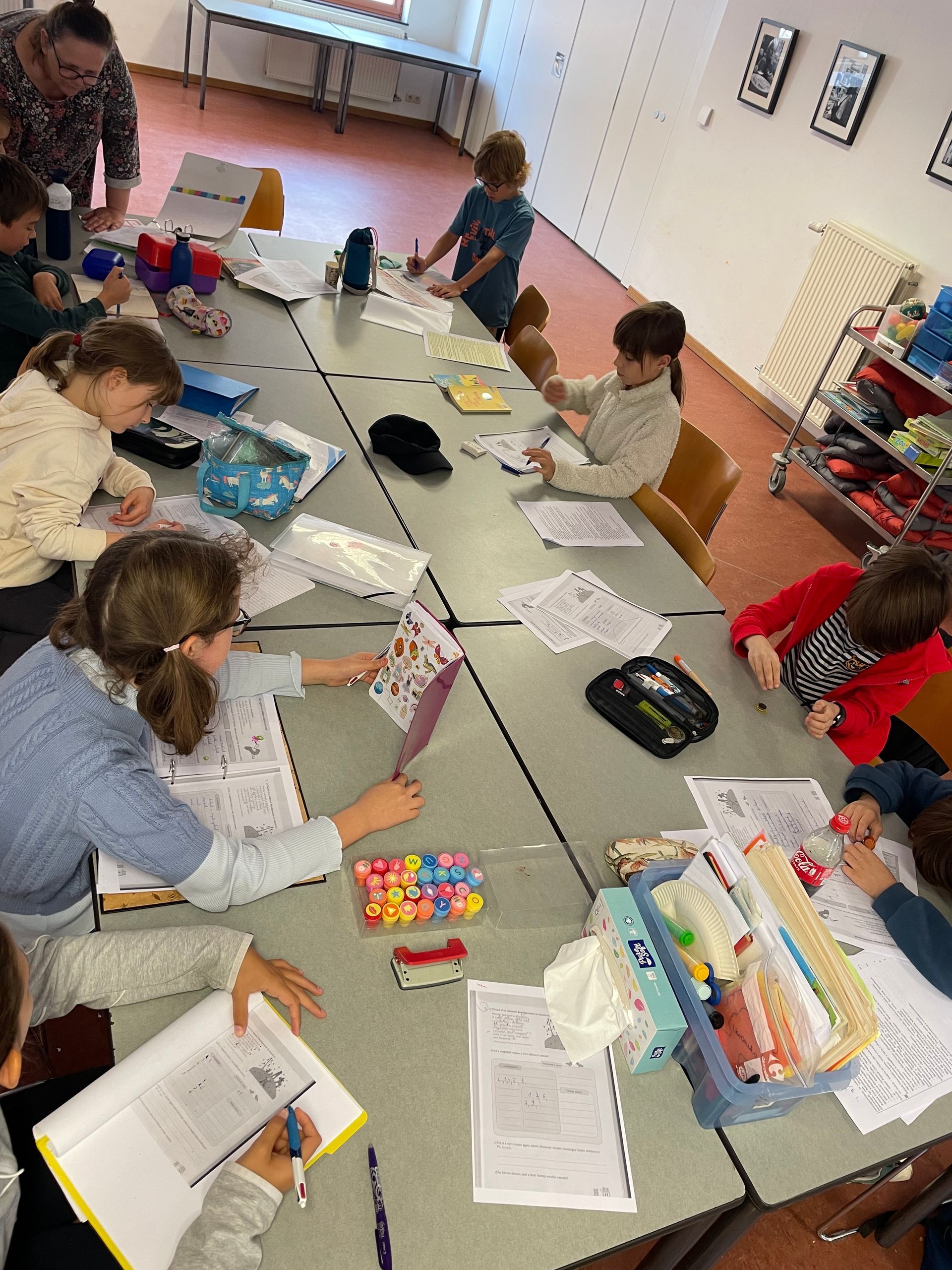
Our first graders master the technique of reading together, focusing on the characteristic Hungarian letters, the first spelling rules, the basics of syllable structure and hyphenation. We practice the interpretation of word structures, sentence formation, sentence segmentation, and develop emphasis and text comprehension. We do all this in a playful way, with a variety of tasks and tools that develop the children's skills and abilities, so that the activities are a joy and not an additional burden for us.
Second, third and fourth grade
We will learn the meaning, usage, types and punctuation of sentences. We will start to create short texts. This is where the curriculum includes text cohesion and the basic units of the text. The most important task of the third grade is to educate students to become writers and readers. We will place great emphasis on developing vocabulary, silent reading speed and comprehension, as well as written text creation.
We continue the work we have started with the fourth graders, creating independent works of writing suitable for our own and each other's entertainment: we write poems, funny, instructive stories, and even dramatize them.
5-6th grade
In this group, the emphasis is on language use. We further expand vocabulary, develop reading comprehension, writing, and spelling.
We begin to get acquainted with literature - here we are no longer just reading young adult novels -, we process János Vitéz, learn the most common poetic images, simpler rhymes and rhythm. We also create poems together and use metaphors, similes and personification.
We read and analyze short stories and poems, and we get to know some important poets and writers. We present their lives with the help of gossip and anecdotes to make them memorable. Such colorful little things leave a much bigger mark on the children.
Hungarian literature, book club, for children over 11 years old
In this activity, we read young adult novels together, which we process together through conversation, debate, dramatization, and writing various journalistic works. Our goal is for the children to learn to express their opinions, acquire the
a culture of debate and various possibilities for processing literary works. History from 10-11 years old
Hungary, the history of the Hungarians with tales, legends, strange, interesting customs, anecdotes. Contemporary fashion, regions, ethnic groups, characteristics of minorities, court customs, food, hunting accidents, all in an interesting, humorous form.
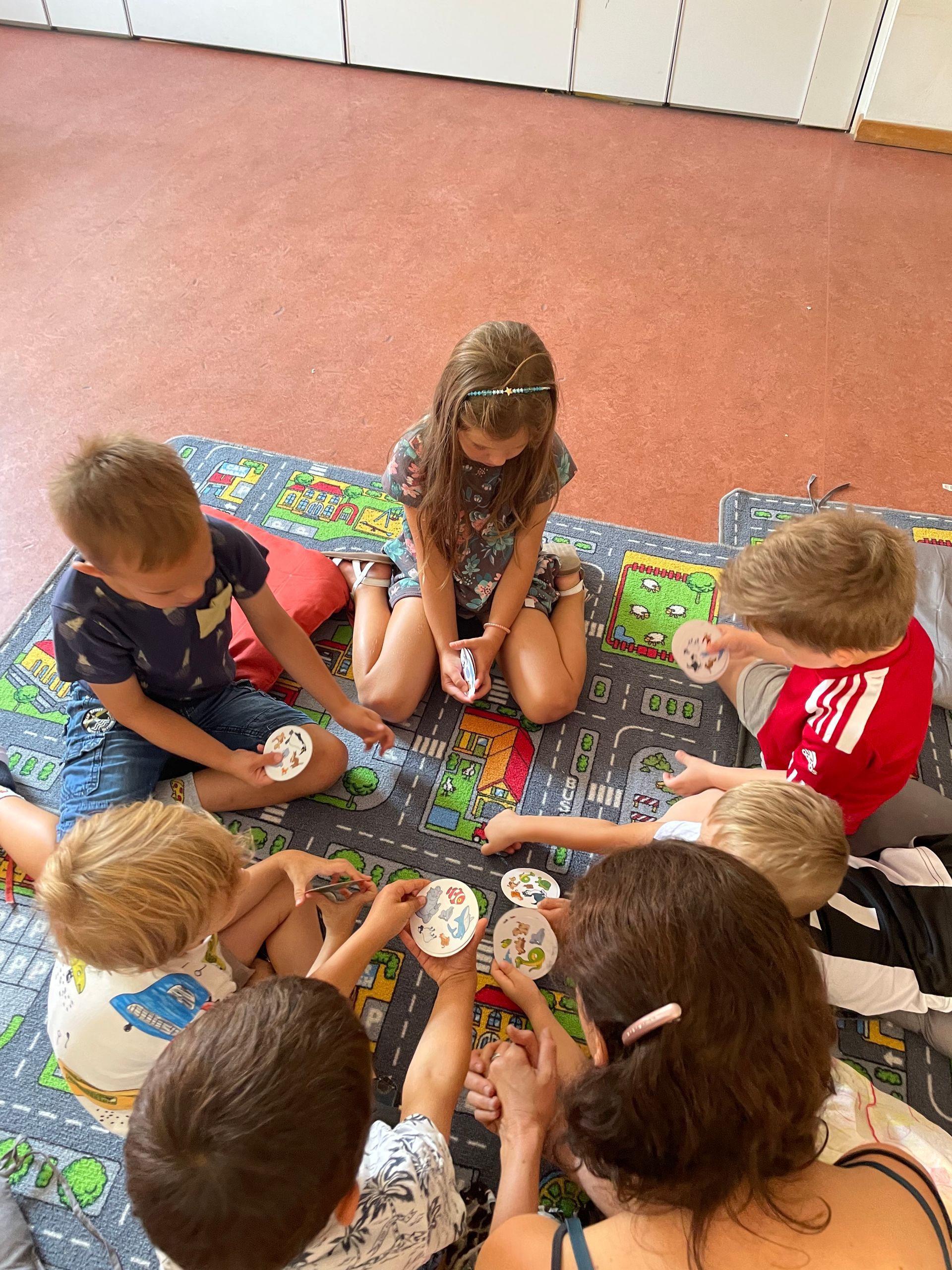
Board game club for ages 10 and up
The aim of the pedagogically based session is to bring together teenagers over 10 years of age in a family-friendly, informal atmosphere, thus enabling them to break away from the virtual world from time to time, without any violence. With the help of guided self-awareness and team-building games, situational games, and board games, we will help them in socialization and in building social relationships. We will guide them on how to cooperate with each other, face their problems, manage them, and solve them. We are waiting for all young people over 10 years of age who are tired of online learning and virtual relationships, who would like to communicate with their friends in person and not via messenger or text messages. Those who would like to have a good laugh and make lifelong friendships, and who would rather say goodbye to their peers with a big hug and a smile at the end of the session instead of pressing the red or delete button 🙂.

Sound Path - complex artistic creative activity with the Kokas method
Sound Path - Create WITH MUSIC/FOR MUSIC/FOR MUSIC!
Kokas class with music teacher Ildikó Emese Jakab
Children's imaginations are limitless. They can come up with a hundred different answers to even a simple question.
Each of their ideas is sincere, original and unrepeatable. But what happens when they start to unfold their creativity on the wings of music? How many textual variations can we find for a single line of a Hungarian folk song? How can we use our bodies as rhythm instruments? How many moods can be associated with a word? Can our emotions be expressed only through movements? How do our personal stories take shape in our dance? How does the paper fill with the colors of music? Does the music of Bach, Mozart and Beethoven really find its way to each of us?
"Music is spiritual food, and nothing else can replace it." (Zoltan Kodály).
At the HangÖsvény classes, opera singer and music teacher Ildikó Emese Jakab invites children aged 3-10 on a special adventure, so that they can all experience the combined joy of liberated singing, limitless musical improvisations, community creation, quality music reception and visual education by singing in their native language and playing with our folk songs. No prior musical training is required. In an accepting atmosphere, creativity comes to life, anxieties are dissolved, self-expression and self-confidence develop, and the soul is purified and grows. This is Klára Kokas' music pedagogy.
Our 4-day Sound Path series, planned for the 2025/26 school year, is an exceptional all-arts program: in addition to the beneficial physiological effects of music, children can spend quality time with each other while developing their ability to pay attention to others, coordination and self-reflection, and physical and mental presence. Our classes are structured in a predictable order, which provides an excellent basis for more complex artistic impulses to inspire vocal, movement, or visual creations from time to time.
“The purpose of music: to better understand, flourish and fulfill our inner world. The legends of the peoples consider it to be of divine origin. And where we reach the limits of human knowledge, music points beyond them, into a world that cannot be known, but can only be guessed at.” (Zoltán Kodály)
Occasions for the 2025/26 academic year:
September 27, 2025
2025. november 22.
February 7, 2026.
March 21, 2026
Hungarian-language weekend school and kindergarten in Brussels
Our everyday lives